







Search Results for: rain damage
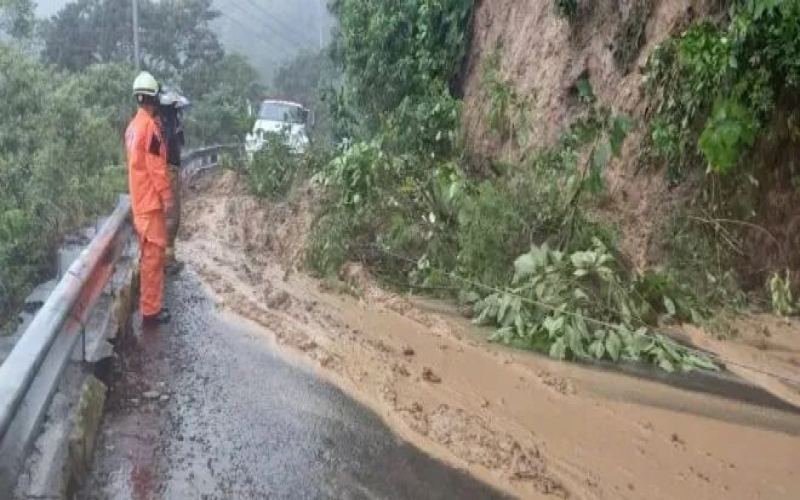
Panama's Boquete Hit by Severe Storms: Frequent Landslides Put Specialty Coffee Region to a Severe Test
Since October, Panama has entered its rainy season, but this year, under the influence of Tropical Storm Rafael, torrential rain and strong winds have been unusually severe, triggering multiple landslides and floods, with Chiriquí Province and other areas hit hard. Boquete, the core production area for Panama's specialty coffee, has not been spared either, with roads damaged, water supplies cut off, and coffee transportation blocked. Even more concerning is that the coffee harvest season is approaching in December, and continued heavy rain could damage coffee trees that are currently bearing fruit, further affecting quality and yield. This article will review the progress of the disaster and its potential impact on the coffee industry. [more…]
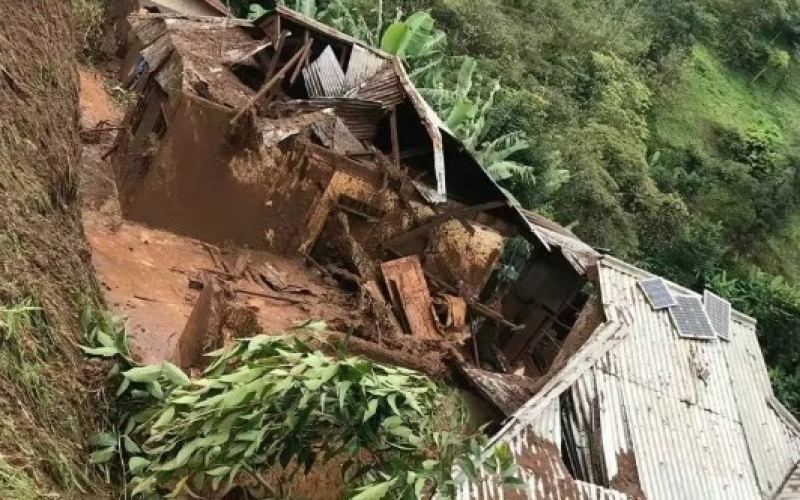
Continuous heavy rain in East Africa! Tanzanian coffee producing areas are affected.
Tanzania is located in the eastern part of Africa and has rich natural resources and a unique coffee culture. However, recently, the country of Tanzania has suffered from heavy rainfall and floods, causing casualties and large-scale damage. Local tim [more…]
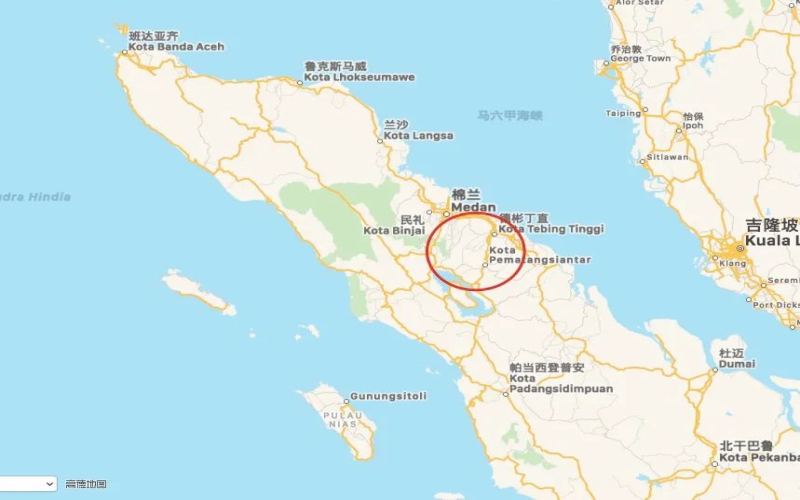
Heavy rains in northern Sumatra trigger floods and mudslides, affecting the Mandheling Arabica growing region
Recently, northern Sumatra in Indonesia has experienced continuous heavy rainfall, triggering secondary disasters such as flash floods and landslides in multiple areas of North Sumatra Province, resulting in 20 deaths and multiple injuries so far. This disaster has not only caused severe damage to local infrastructure including houses, schools, and roads, but has also directly affected the Arabica coffee-growing belt in the Lintong region of central Sumatra—the area where the world-renowned Mandheling coffee is produced. Meanwhile, Deli Serdang Regency, an important commodity transport corridor leading to the Medan seaport, has also been damaged by landslides, disrupting import and export operations. As the Arabica harvest season is currently underway, days of heavy rain may cause ripe cherries to drop and yields to decline, with the market generally holding a cautious attitude toward the supply outlook for the new harvest season. [more…]
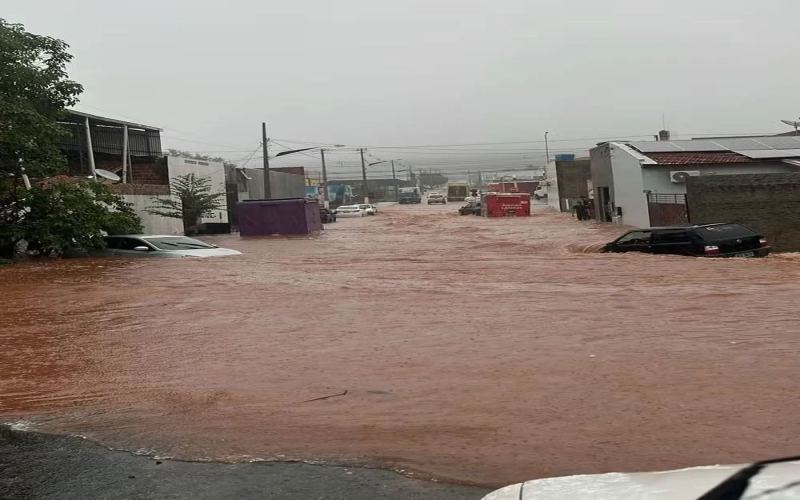
Heavy Rain in Southern Brazil Impacts Coffee Regions, Local Production May Drop by Up to 30%
Central and southern Brazil recently experienced heavy rainfall, with southern Mato Grosso and São Paulo state severely affected, impacting both transportation and power supply. Meanwhile, rainfall in Minas Gerais remains below the historical average, and the worst drought and wildfires in nearly 70 years have already caused deep damage to coffee cultivation. Although concentrated flowering occurred in October, whether the flowers will develop into fruit remains to be seen in December. Multiple institutions expect coffee production in the most severely affected areas to decline by 20% to 30%, with the potential of both the 2024/25 and 2025/26 crop years affected. [more…]
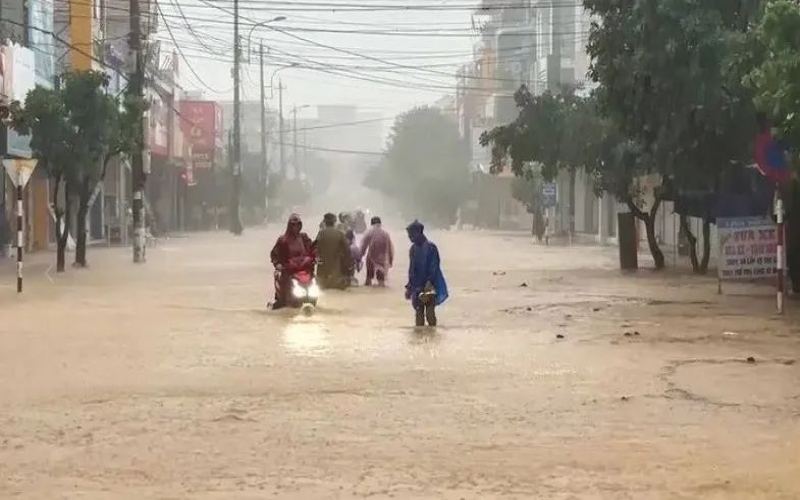
Successive Typhoons Batter Vietnam: Coffee Harvest Off to a Slow Start as Exports and Transport Come Under Pressure
Central Vietnam experienced strong winds and heavy rain after Typhoon Trami made landfall, damaging dikes, houses, farmland, and transportation and logistics infrastructure—just as the new coffee harvest season was getting underway. Looking back over the year, Vietnam's coffee industry first endured its worst drought in nearly a decade, then was hit by two typhoons in succession, Typhoon Yagi and Typhoon Trami, with the main producing areas in the Central Highlands also experiencing strong winds and heavy rain. Delayed harvesting, blocked roads, and closed ports combined to make new-crop supply even tighter; yet despite lower export volumes, export value hit a record high on rising prices. This article reviews the disaster impact, production and export data, and looks at price trends going forward. [more…]
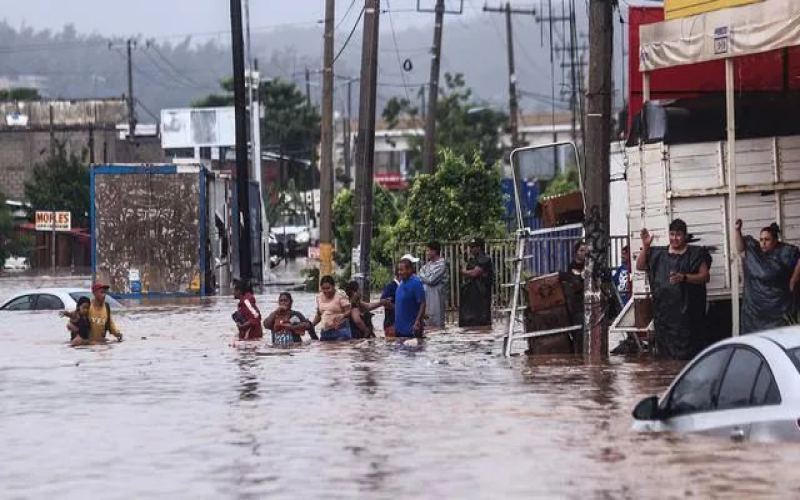
Hurricane John Devastates Southern Mexico's Coffee Belt: 16 Dead, 100,000 Households Without Power, New Crop Under Pressure
After Hurricane "John" made landfall in southern Mexico, it caused at least 16 deaths, damaged more than 700 homes, and left about 100,000 users without power, with Guerrero and Oaxaca states hit especially hard. More critically, 95% of Mexico's coffee production is concentrated in the south, and the current period is when coffee is fruiting; torrential rain knocked fruit off the trees, flooded coffee plants, and the risk of landslides compounded the damage, putting the expected increase in output for the 2024/25 season at risk of being revised downward. At the same time, global coffee prices are already at high levels due to reduced production in places such as Brazil and Vietnam, and with Mexico now hit by another climate shock, prices are unlikely to fall in the short term. [more…]

Severe rain warnings in seven Brazilian states spark concerns over new coffee crop yields, coffee futures prices climb again
Brazil's National Institute of Meteorology recently issued storm and heavy rain danger warnings for seven states, including Minas Gerais, São Paulo, and Paraná, with expected rainfall of 50 to 100 millimeters per day and accompanied by strong winds of 60 to 100 kilometers per hour. Rainfall in northern São Paulo state has already accumulated to 90 millimeters, with local areas reaching up to 100 millimeters, and the risk of landslides and flooding has prompted the warning center to issue a yellow alert. Although no serious economic losses have been reported so far, the market is widely concerned that this round of severe weather will once again impact Brazil's new coffee crop production. The severe drought and forest fires from April to September had already damaged coffee trees during the flowering stage, leading many institutions to lower production forecasts and drive up coffee prices. This article will review key information such as Brazil's recent weather conditions, coffee futures trends, exchange rate impacts, and traders' credit risks. [more…]
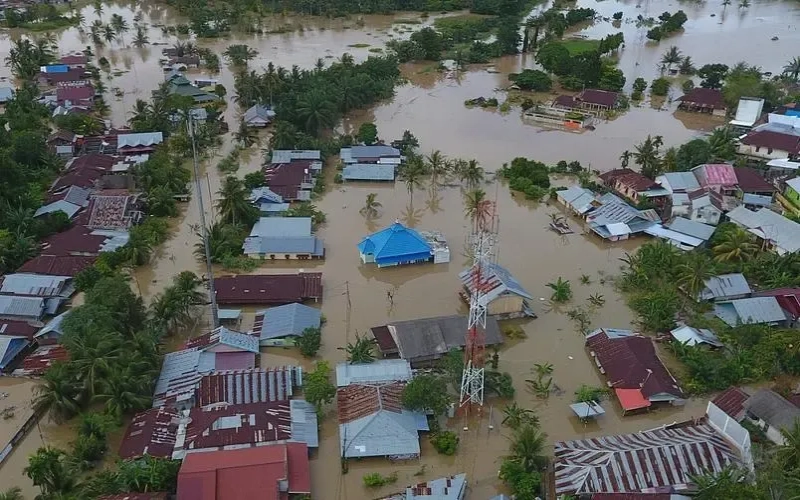
Severe Weather in Indonesia Devastates Coffee-Growing Regions: Java and Sumatra Hit Hard, Output Expected to Fall by as Much as 50%
Indonesia is a major global coffee producer, with coffee cultivation mainly distributed across islands such as Sumatra, Java, Sulawesi, and Bali. However, the country has recently experienced persistent severe weather, and floods and landslides triggered by heavy rain have dealt a serious blow to multiple coffee-producing regions. The Bandung area on Java Island, the island's largest coffee-producing region, has already seen casualties and extensive housing damage; nine regions in western Sumatra have been especially hard hit, and with Robusta coffee at the pre-fruiting and early harvesting stage, losses have been severe. According to estimates by local producers, output on some islands will fall by 20%, and the country's total production may be halved. At the same time, the Indonesian government has designated coffee as a national priority industry and significantly increased fertilizer subsidies in an attempt to ease the impact of the disaster on agriculture. This article will review the specific effects of the disaster on Indonesia's coffee industry and related policy trends. [more…]

On Rainy Days, Self-Pickup Luckin Coffee Frequently Spills, Why Paper Takeaway Bags Have Become the Focus of Consumer Complaints
Southern regions have recently been hit by continuous heavy rain, with severe waterlogging on roads in cities like Changsha and Wuhan, making travel difficult for residents and causing significant disruption to street-side shops. In such weather, a cup of coffee is a small comfort that keeps office workers energized and going, yet many customers who chose to pick up their orders at Luckin Coffee stores found that the paper takeaway bags were extremely flimsy in the rain, with the coffee spilling into the rain before they could even take a sip. Complaints and grievances about torn paper bags have been flooding social media, with consumers calling on the brand to improve its packaging, while store staff are equally miserable. This article examines the reasons behind this phenomenon and the voices from all sides. [more…]
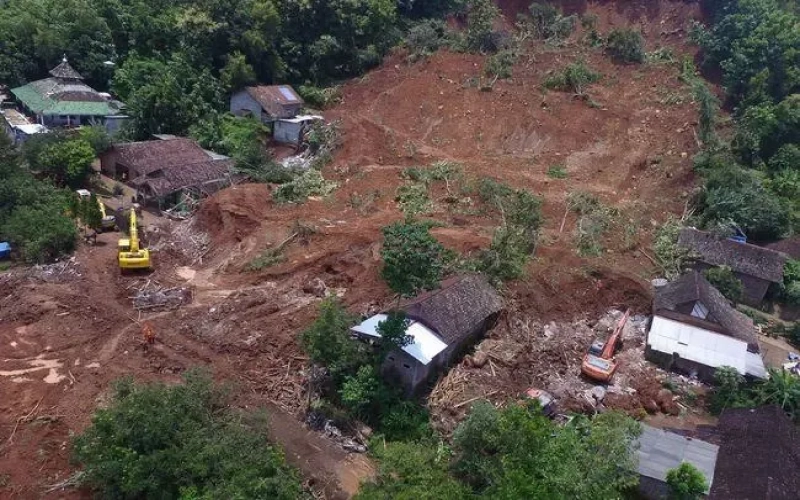
Indonesia's Sulawesi Island Hit by Floods, Robusta-Producing Regions Suffer Heavy Losses That May Drive Coffee Prices Up
Recently, many parts of Asia have been hit by extreme weather, with Indonesia bearing the brunt. Torrential rain, floods, volcanic eruptions, and landslides have struck one after another, dealing a heavy blow to multiple industries in the country, and the coffee industry has been unable to escape unscathed. After West Java and Sumatra were successively affected, South Sulawesi Province was also hit by heavy rainfall, with severe losses in regencies such as Luwu, Soppeng, and Sidrap, where roads and bridges were destroyed and farmland was flooded. This disaster mainly struck the country's Robusta coffee-producing areas, and as it coincides with the harvest season, industry insiders expect output on some islands to decline by 20%, while the country's total production may be halved. A tightening of Robusta supply could further push up international coffee prices. [more…]
Extreme Weather and Pest Infestation Deal a Double Blow: Vietnam's Coffee Production May Continue to Decline
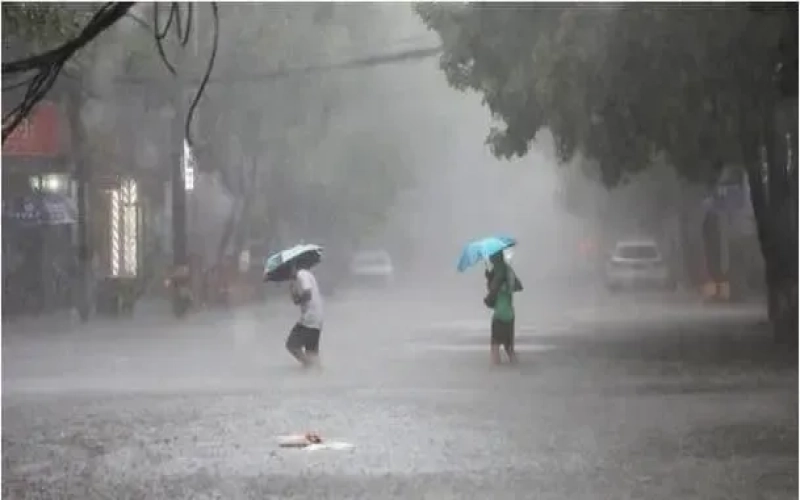
The World Meteorological Organization recently issued a warning that frequent extreme weather is severely impacting Asia. China, Dubai, and other places have been hit by torrential rains and floods, while South Asian countries such as Thailand, Laos, Vietnam, and Indonesia are mired in scorching heat, with temperatures in many areas exceeding 45°C. As a major global coffee-producing region, Vietnam's Robusta coffee is facing a double assault of drought and pests—reservoirs have dried up, irrigation water sources have been depleted, and cotton bollworms are spreading rapidly. Coffee farmers are being forced to increase irrigation frequency, yet have no water to use. Although rain is expected in May to ease the drought, the latest data from the International Coffee Organization show that global coffee exports grew 8.1% in March 2024, while coffee futures prices have continued to decline, creating a subtle contrast between production prospects and market trends. [more…]
Rain returns to Brazilian coffee-growing regions, production outlook improves but price direction remains uncertain
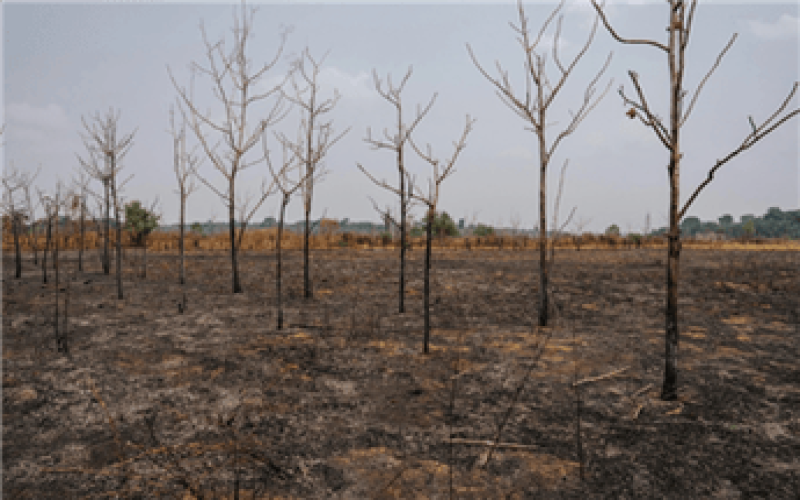
Brazil's coffee-growing regions have finally received effective rainfall, and the long-drought-stricken arabica-producing areas are expected to find relief in the new flowering season in November. However, months of extreme heat and water shortages have already caused substantial damage to production for the 2024/25 and 2025/26 crop years. Water levels in the Amazon basin remain at historic lows, and shipping disruptions are driving up logistics costs. At the same time, the sharp plunge in the real exchange rate, port delays, and the postponement of the EU's EUDR policy, among multiple interwoven factors, have filled the outlook for Brazil's coffee production and prices with uncertainty. This article reviews the latest weather developments, industry impacts, and chain reactions in the market, and includes Front Street Coffee's continued attention to origin information. [more…]
Jamaica Blue Mountain Coffee: Causes of Production Decline and Flavor Analysis — Typica Variety Pour-Over Parameters and Brewing Method
Jamaican Blue Mountain coffee is renowned for its balanced and elegant flavor, but since October 2020, Jamaica has been hit by a series of natural disasters including tropical storms, hurricanes, earthquakes, and volcanic ash, causing road damage in the Blue Mountain coffee growing region and extensive cherry drop, with Coney Dell Estate expected to see yield losses of over 50%. This article will review the impact of these disasters, introduce the growing environment of Blue Mountain coffee and the characteristics of the Typica variety, and share in detail the brewing parameters and flavor profiles of two pour-over methods recommended by Front Street Coffee—the KONO dripper and the cloth filter—to help coffee enthusiasts gain a comprehensive understanding of the current situation and brewing key points of Blue Mountain coffee. [more…]
Two major coffee-producing regions in Indonesia have been hit by disasters in succession; output may decline further, and prices could keep rising.
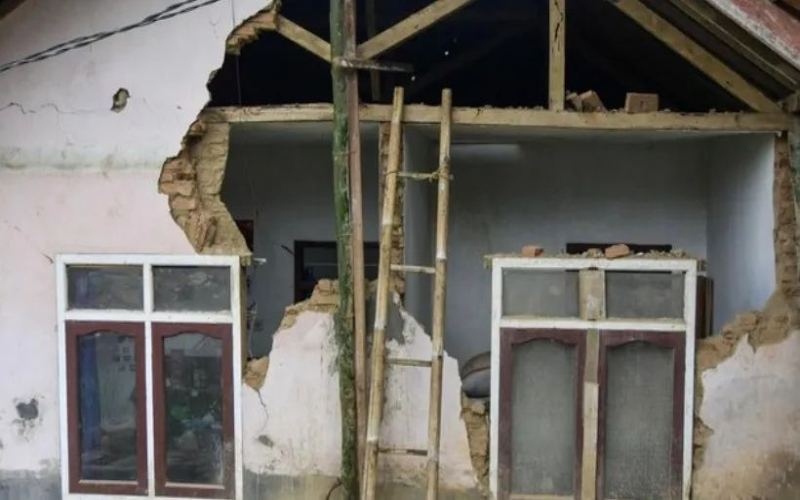
Recently, several major coffee-producing regions in Indonesia have been hit by natural disasters. A magnitude 5.0 earthquake struck near Bandung in West Java on the island of Java, causing injuries and damage to homes; the Aceh region in northern Sumatra was hit by heavy rain and strong winds, and with the coffee harvest season underway, harvesting work has been disrupted. At the same time, several provinces are also facing ongoing drought, and coffee production may decline further. This article summarizes the disaster situations in various areas and their impact on Indonesia's coffee industry. [more…]
The Atlantic hurricane season is unusually active, and coffee-producing regions in Central America face a dual test of output and exports.
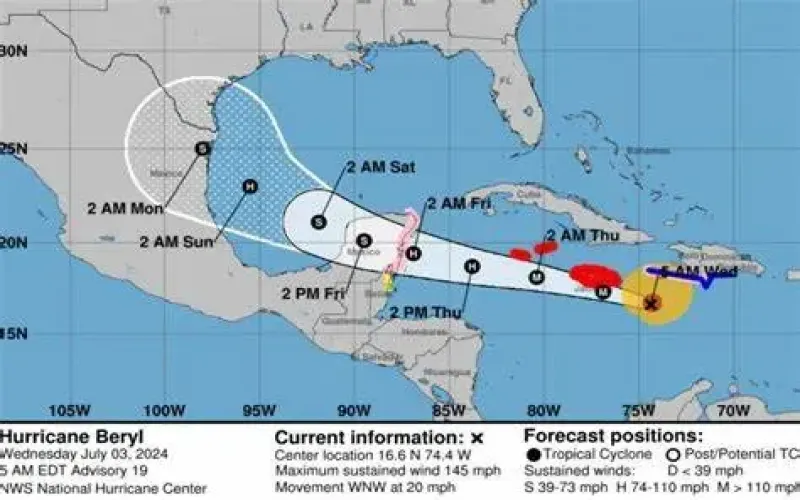
The 2024 Atlantic hurricane season was predicted by NOAA to be "extraordinary," with risk reaching up to three times the usual level. The first hurricane of the season, Beryl, intensified to Category 5 in July, devastating the Caribbean region, with the coffee industries of Jamaica, Haiti, the Dominican Republic, and other areas facing direct threats. Although Mexico's main coffee-producing regions are located in the south and the hurricane's path skewed northward, infrastructure damage and shipping disruptions could still indirectly affect the entire Central American coffee supply chain. Looking back at the devastation caused by Eta and Iota in 2020, the impact of hurricane season on the coffee flowering and harvest periods is especially lethal and may further exacerbate fluctuations in international coffee prices. [more…]

Heavy Rain in Southern Brazil Devastates São Paulo Coffee Region, Flooding Threatens New Crop Yield During Flowering Season
Several states in southern Brazil have recently been hit by severe storms and heavy rain, with São Paulo and Rio de Janeiro states particularly hard hit, causing casualties and widespread power outages. This coincides with the flowering season for Brazilian coffee trees, and excessive rainfall and flooding could wash out farmland and knock coffee flowers off the trees, threatening production for the new season. At the same time, disrupted rainfall patterns in Minas Gerais are making the planting situation even more severe. The storms have also affected logistics and transportation, worsening ship delays at ports. The market is worried that a reduction in Brazilian coffee production will persist, and prices may remain high or even rise further. This article will review the impact of the disaster and the subsequent trajectory of the coffee industry. [more…]
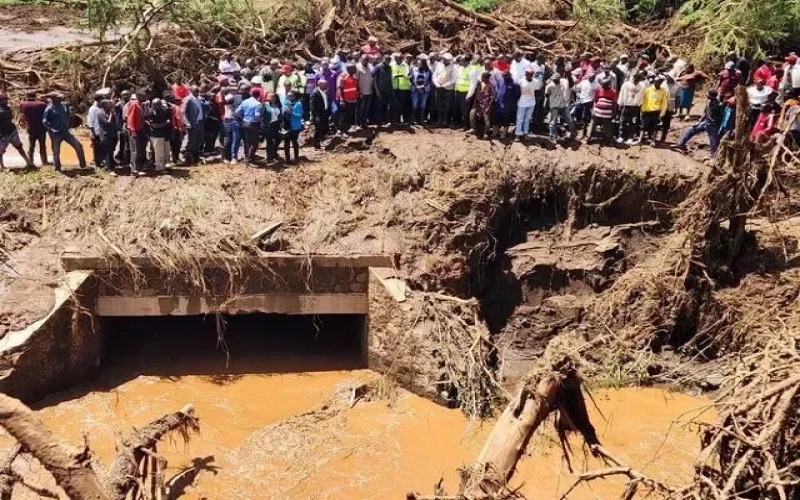
Central Kenya coffee-growing regions hit by persistent heavy rain, with Nyeri, Kiambu and other production areas suffering severe losses, casting a shadow over the next harvest season
Recently, multiple East African countries have been hit by sustained heavy rainfall, with major coffee-producing areas in central Kenya such as Nyeri, Nakuru, and Kiambu suffering severe damage. Floods, mudslides, and other disasters have caused significant casualties and property losses, and as coffee is currently in its flowering and fruiting stage, the next harvest season is expected to be severely affected. Meanwhile, Kenyan coffee auction prices have already hit record highs, and prices may climb further in the future. The Kenyan government has allocated 4 billion shillings for disaster relief. The Chinese Embassy in Kenya has also issued a reminder, calling for attention to weather changes and flood prevention and disease control. Stay tuned to the disaster situation in coffee-producing areas; Front Street Coffee will continue to follow up with reports. [more…]

Severe storm hits São Paulo state, Brazil: Over two million users without power, coffee-growing regions hit again
The state of São Paulo, Brazil, recently endured a violent storm accompanied by historically powerful winds, leaving at least 7 people dead, 2.1 million users without power, and severely disrupting transportation, water supply, and business operations. As an important coffee-producing region in Brazil, São Paulo state has this year been hit in succession by drought, wildfires, and torrential rain, casting a shadow over the prospects for coffee growth in the new crop season. With power slow to be restored, inventory is piling up at processing plants and the risk of port delays is intensifying. Combined with expectations of reduced output in Vietnam and other producing origins, international coffee futures prices continue to run at high levels. This article will review the impact of the disaster, the abnormal climate in the producing region, and the chain reactions for the coffee industry. [more…]
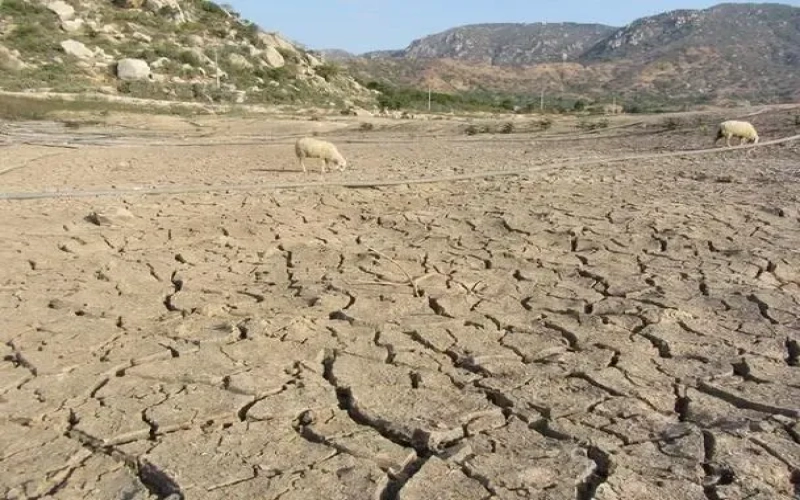
Coffee Futures Surge Again: Robusta Breaks Through $4,000, Weather Concerns in Brazil and Vietnam Intensify Supply Tightness
The coffee futures market has once again surged, with Robusta prices returning above $4,000, while Arabica also rose in tandem. Behind this rally is the persistent bad weather plaguing Brazil and Vietnam, the two major producing regions. Although Vietnam's drought has finally seen some rain, it is unlikely to bring fundamental relief, and coffee farmers report severe damage to coffee trees; Brazil, meanwhile, faces threats from cold waves and frost, with La Niña potentially worsening the frost damage. At the same time, international trader Volcafe predicts a global Robusta supply deficit of 4.5 million bags. Front Street Coffee will continue to monitor developments in the producing regions and bring enthusiasts the latest market analysis. [more…]
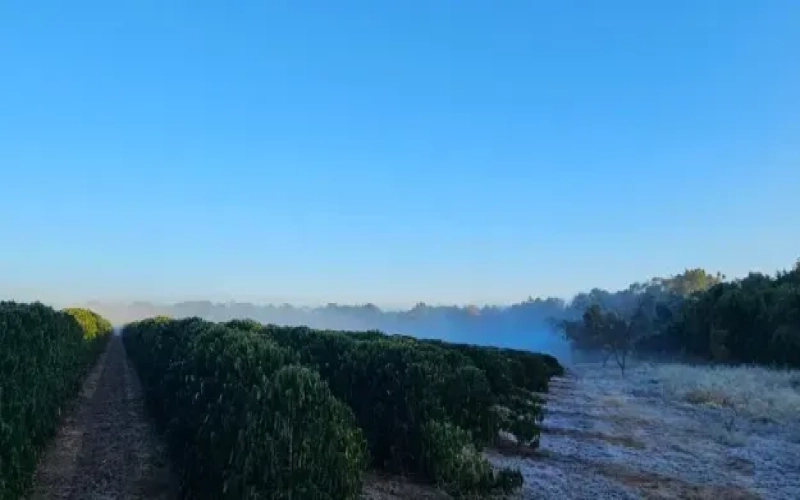
A cold wave and frost in south-central Brazil set record low temperatures, threatening coffee-growing regions and causing a sharp rise in futures prices.
Since last week, a strong cold wave has continued to sweep through south-central Brazil, with temperatures plunging below zero in many places, and the mountainous region of southern Minas Gerais even setting a new record for Brazil's lowest temperature. Snow and freezing rain have successively appeared in Santa Catarina and Rio Grande do Sul, and the Port of Santos was forced to suspend cargo operations due to severe sea conditions. Brazil's coffee harvest for the new season is now nearing its end, but the market is broadly concerned that frost will impact this year's crop and the growth of coffee in the 2025/26 season, especially in the mountainous region of Minas Gerais, which is dominated by Arabica cultivation. Affected by this, Arabica and Robusta coffee futures prices have soared sharply in recent days. Front Street Coffee will also continue to monitor weather developments in the producing regions and bring coffee lovers the latest analysis. [more…]